




Fraud Blocker

Personalized Care for Your Health

Benign Prostate Hyperplasia (BPH) In singapore

Your full medical check up comes complete with physician consult, results explanation and lifestyle recommendations, in person or over our teleconsult platform.

doctor img
Dr Tan Teck Wei

MBBS|DFD (CAW)|MRCS|MMed (Surgery)|FAMS (Urology)

floating image BPH V3
heart w alpha Diagnose and Treat

What is Benign Prostatic Hyperplasia (BPH)?

Benign Prostatic Hyperplasia is a non-cancerous enlargement of the prostate gland that commonly occurs as men age. The prostate, a walnut-sized gland located below the bladder and surrounding the urethra, gradually increases in size over time. As the prostate enlarges, it can compress the urethra and affect normal urine flow, leading to various urinary symptoms.

In Singapore, studies show that approximately 50% of men in their 50s and up to 90% of men over 80 have some degree of BPH. Despite its prevalence, many men delay seeking treatment due to embarrassment or the misconception that urinary problems are an inevitable part of ageing.
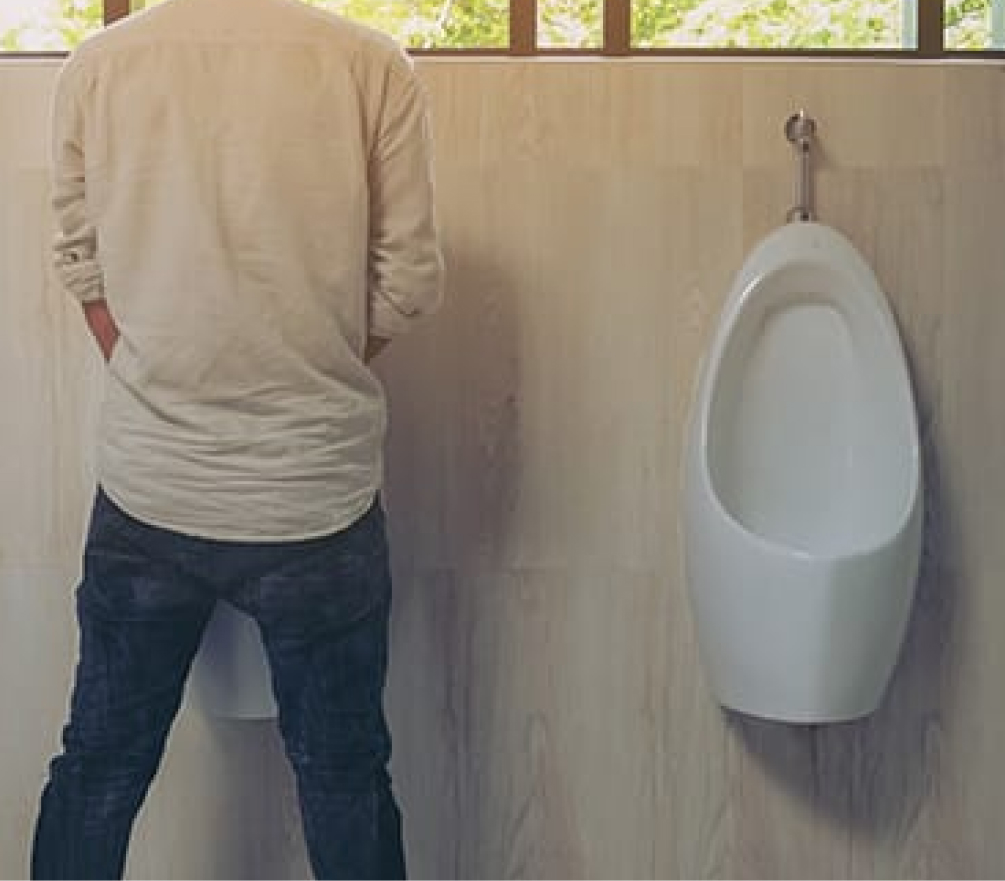

What are the Symptoms of Prostate Enlargement?

Image Mild Symptoms Mobile

Mild Symptoms

  • Slightly increased urination frequency during the day
  • Occasional difficulty starting urination
  • Reduced force of urine stream
  • Minor dribbling after urination
  • Feeling of incomplete bladder emptying
Image Mild Symptoms Mobile

Moderate Symptoms

  • Urgent need to urinate with little warning
  • Frequent urination (every 2 hours or less)
  • Waking 2-3 times nightly to urinate
  • Straining required to start urination
  • Intermittent or weak urine stream
  • Longer time needed to empty bladder
Image Mild Symptoms Mobile

Severe Symptoms

  • Inability to urinate (acute retention)
  • Painful urination or blood in urine
  • Waking more than 4 times nightly
  • Frequent urinary tract infections
  • Bladder stones formation
  • Kidney function deterioration

BPH Treatment Options in Singapore

  • Lifestyle Modifications

    Simple lifestyle adjustments such as reducing caffeine and alcohol intake, practising bladder training, and managing fluid consumption can alleviate mild symptoms.

  • Alpha Blockers

    Alpha blockers like tamsulosin and alfuzosin work by relaxing the smooth muscles in the prostate and bladder neck, improving urine flow within days to weeks. These medications are typically the first-line treatment for moderate BPH symptoms. Most patients tolerate them well, although some may experience dizziness or reduction in the ejaculate volume. They provide symptom relief without shrinking the prostate.

  • 5-Alpha Reductase Inhibitors

    Medications such as finasteride and dutasteride reduce prostate size by blocking conversion of testosterone to DHT. These drugs work gradually over 3-6 months and are effective for larger prostates. They can reduce prostate volume by 20-30% and lower the risk of acute retention and need for surgery. Some men may experience decreased libido or erectile dysfunction with these medications.

  • Combination Therapy

    Using both alpha blockers and 5-alpha reductase inhibitors provides improved symptom relief. This approach offers immediate symptom relief from alpha blockers while achieving long-term prostate size reduction. Studies show combination therapy reduces progression risk and need for surgery.

  • Anticholinergic And Beta-Agonist Medications

    For patients with predominant irritative symptoms like urgency and frequency, anticholinergic or beta-agonist drugs may be added. These medications calm overactive bladder muscles but must be used cautiously in BPH as it can rarely result in urinary retention. Regular monitoring ensures safe, effective treatment.

  • Phosphodiesterase-5 Inhibitors

    Medications like tadalafil, traditionally used for erectile dysfunction, also improve BPH symptoms. They work by relaxing smooth muscle and improving blood flow in the prostate and bladder. This dual benefit makes them attractive for men with both conditions.

  • Transurethral Resection of Prostate (TURP)

    TURP remains the standard surgical treatment for BPH. Using a scope inserted through the urethra, excess prostate tissue is removed to create a wider channel. This procedure provides long-lasting symptom relief with success rates exceeding 85%. Most patients stay 1-2 nights in hospital.

  • UroLift System

    This innovative procedure uses small implants to hold enlarged prostate tissue away from the urethra. Performed under local anaesthesia, UroLift preserves sexual function while improving urinary symptoms. Suitable candidates can return home the same day with minimal downtime.

  • Rezum Water Vapour Therapy

    Rezum uses thermal energy from water vapour to reduce prostate tissue. This procedure takes under 20 minutes and preserves sexual function. Symptom improvement occurs gradually over 1-3 months as the treated prostate tissue is absorbed by the body.

  • iTind (Temporary Implantable Nitinol Device)

    This is a minimally invasive procedure which involves the temporary insertion of a stent into the prostatic urethra for about a week. The stent will reshape the prostatic urethra tissue and improve urine flow. The stent is removed after a week, and the procedure preserves sexual function.

Types of BPH Presentation

  • Obstructive BPH

    This type causes blockage symptoms due to physical compression of the urethra. Men experience difficulty starting urination, weak urine stream, and incomplete bladder emptying. The enlarged prostate tissue directly obstructs urine flow.

  • Irritative BPH

    Characterised by bladder irritation symptoms including frequent urination, urgency, and nocturia (night-time urination). The bladder muscle becomes overactive in response to the obstruction, causing these symptoms.

  • Mixed BPH

    Most patients experience a combination of both obstructive and irritative symptoms. This mixed presentation is the most common form seen in clinical practice and requires comprehensive management addressing both symptom types.

  • Complicated BPH

    This occurs when untreated BPH leads to complications such as acute urinary retention, bladder stones, or kidney damage. Immediate medical intervention is necessary to prevent permanent damage.

Causes & Risk Factors of BPH

Causes

The exact cause of BPH remains unclear, but several factors contribute to prostate enlargement:

  • Hormonal changes: Age-related shifts in testosterone and dihydrotestosterone (DHT) levels influence prostate growth.
  • Cellular growth: Increased proliferation of prostate cells in the transitional zone
  • Chronic inflammation: Long-standing prostatic inflammation may stimulate enlargement.
  • Genetics: A family history of BPH increases the likelihood of developing the condition.

Risk Factors

  • Age: Primary risk factor; rare before 40, common after 50
  • Family history: Men with relatives who have BPH face higher risk
  • Metabolic syndrome: Obesity, type 2 diabetes, and hypertension are linked to increased BPH risk
  • Lifestyle factors: Sedentary lifestyle and poor diet may contribute

When to See a Urologist

Immediate medical attention is necessary if you experience acute urinary retention (complete inability to urinate), blood in urine, severe pain during urination, or signs of kidney problems such as back pain with fever. These symptoms may indicate complications requiring urgent treatment.

You should consult a urologist if you notice progressive worsening of urinary symptoms, frequent night-time urination disrupting sleep, or any urinary symptoms affecting your daily activities and quality of life. Early evaluation helps as BPH symptoms can mimic other conditions including prostate cancer, bladder problems, or urinary tract infections.

During your first consultation, our urologist will conduct a comprehensive evaluation including medical history, symptom assessment using standardised questionnaires, physical examination and necessary diagnostic tests. This thorough approach ensures accurate diagnosis and appropriate treatment planning.

Complications If Left Untreated

Untreated BPH can lead to serious complications affecting overall health and quality of life. Acute urinary retention, the sudden inability to urinate, is a medical emergency requiring immediate catheterisation. This painful condition often necessitates surgical intervention.

Chronic retention and incomplete bladder emptying increase infection risk, leading to recurrent urinary tract infections and potential kidney infections. Bladder stones may form in stagnant urine, causing pain, bleeding, and further obstruction.

Long-term obstruction can cause bladder muscle damage, reducing its ability to contract effectively. In severe cases, back-pressure on the kidneys leads to hydronephrosis and potential kidney failure. Early treatment prevents these complications and preserves urinary tract health.

BPH Prevention

While BPH cannot be entirely prevented due to age and genetic factors, certain lifestyle modifications may reduce risk and slow progression. Regular physical exercise, particularly aerobic activity, helps maintain prostate health and reduces BPH risk. Studies show sedentary men face higher rates of moderate to severe symptoms.

Dietary changes including increased vegetable intake, reduced red meat consumption, and maintaining healthy weight may help. Limiting caffeine and alcohol, especially before bedtime, reduces irritative symptoms.

Regular medical check-ups enable early detection and intervention before symptoms become severe. Men over 50 should discuss prostate health with their doctor annually. Managing conditions like diabetes and hypertension helps reduce BPH progression risk.

Diagnosis & Testing Methods

There are two main techniques for rhinoplasty procedures: Open & Closed rhinoplasty. Other types of rhinoplasty are named based on their approach and the objective of the procedure.

Medical History

A blood test measuring PSA levels, which can be elevated in BPH and other prostate conditions. This helps differentiate between BPH and prostate cancer. Results typically available within a day.

Digital Rectal Examination (DRE)

A blood test measuring PSA levels, which can be elevated in BPH and other prostate conditions. This helps differentiate between BPH and prostate cancer. Results typically available within a day.

Prostate-Specific Antigen (PSA) Test

A blood test measuring PSA levels, which can be elevated in BPH and other prostate conditions. This helps differentiate between BPH and prostate cancer. Results typically available within a day.

Urinalysis and Urine Culture

A blood test measuring PSA levels, which can be elevated in BPH and other prostate conditions. This helps differentiate between BPH and prostate cancer. Results typically available within a day.

Urine Flow Test (Uroflowmetry)

A blood test measuring PSA levels, which can be elevated in BPH and other prostate conditions. This helps differentiate between BPH and prostate cancer. Results typically available within a day.

Bladder Scan (Post-Void Residual (PVR) Measurement)

A blood test measuring PSA levels, which can be elevated in BPH and other prostate conditions. This helps differentiate between BPH and prostate cancer. Results typically available within a day.

Urodynamic Testing

A blood test measuring PSA levels, which can be elevated in BPH and other prostate conditions. This helps differentiate between BPH and prostate cancer. Results typically available within a day.

Bedside Ultrasound Scan Of The Prostate

A blood test measuring PSA levels, which can be elevated in BPH and other prostate conditions. This helps differentiate between BPH and prostate cancer. Results typically available within a day.

drinfo

Dr Tan Teck Wei

MBBS (S’pore)

DFD (CAW)

MRCS (Edin)

MMed (Surgery)

FAMS (Urology)

A Senior Consultant Urologist in Singapore, Dr Tan Teck Wei specialises in the management of complex urological cancers involving the kidneys, prostate, and bladder.

He is fellowship-trained in open, laparoscopic and robotic surgery. He also specialises in the management of other urological conditions including:

  • Prostate Enlargement
  • Recurrent Urinary Tract Infections
  • Stones

To date, Dr Tan Teck Wei has been involved in more than 500 robot-assisted surgeries, building up his volume of cases from his fellowship training days and cementing his expertise in robotic surgery.

Dr Tan Teck Wei believes in the holistic management of his patients, and seeks to journey with them from diagnosis to cure.  Dr Tan is effectively bilingual in English and Mandarin, making him a popular choice with the young and old, as well as international patients.

Lorem ipsum dolor sit amet consectetur

Consectetur adipiscing elit, sed do eiusmod tempor incididunt ut labore et dolore magna aliqua. Ut enim ad minim veniam, quis nostrud exercitation ullamco laboris nisi ut aliquip ex ea commodo consequat. Duis aute irure dolor in reprehenderit in voluptate.

Get an Accurate Diagnosis & Proper Treatment for
Your Urinary Symptoms / Conditions

Billing & Insurance

Corporate & Personal Insurance Plans

For Singaporeans, Singapore Permanent Residents and Foreigners.
Please speak to our friendly clinic staff about using your insurance plans.

Make an Enquiry

For urgent or same day appointment requests, please call our hotline.

    ask us anything

    Frequently Asked Questions

    When should I see a doctor about lack of urine control?

    Lorem ipsum dolor sit amet, consectetur adipiscing elit, sed do eiusmod tempor incididunt ut labore et dolore magna aliqua. Ut enim ad minim veniam, quis nostrud

    When should I see a urologist or urogynecologist?

    An individual should seek the expertise of a trained urologist or urogynecologists when he or she is coping with or experiencing symptoms of a condition of the genitourinary tract, including, but not limited to:

    • Recurrent Urinary Tract Infections
    • Blood in urination
    • Poor bladder control
    • Difficulty Urinating
    • Suspicion of Kidney Stones
    • Erectile Dysfunction
    • Suspicion of Male Infertility
    How do I prepare for my first visit?

    Lorem ipsum dolor sit amet, consectetur adipiscing elit, sed do eiusmod tempor incididunt ut labore et dolore magna aliqua. Ut enim ad minim veniam, quis nostrud

    Can I use Medisave & Insurance to cover the cost of my treatments?

    Lorem ipsum dolor sit amet, consectetur adipiscing elit, sed do eiusmod tempor incididunt ut labore et dolore magna aliqua. Ut enim ad minim veniam, quis nostrud