


Fraud Blocker

Personalized Care for Your Health

Kidney Stones Treatment in Singapore

Your full medical check up comes complete with physician consult, results explanation and lifestyle recommendations, in person or over our teleconsult platform.

doctor img
Dr Tan Teck Wei

MBBS|DFD (CAW)|MRCS|MMed (Surgery)|FAMS (Urology)

kidney stones Kidney Stones
heart w alpha Diagnose and Treat
heart w alpha Pain and Discomfort

What are Kidney Stones?

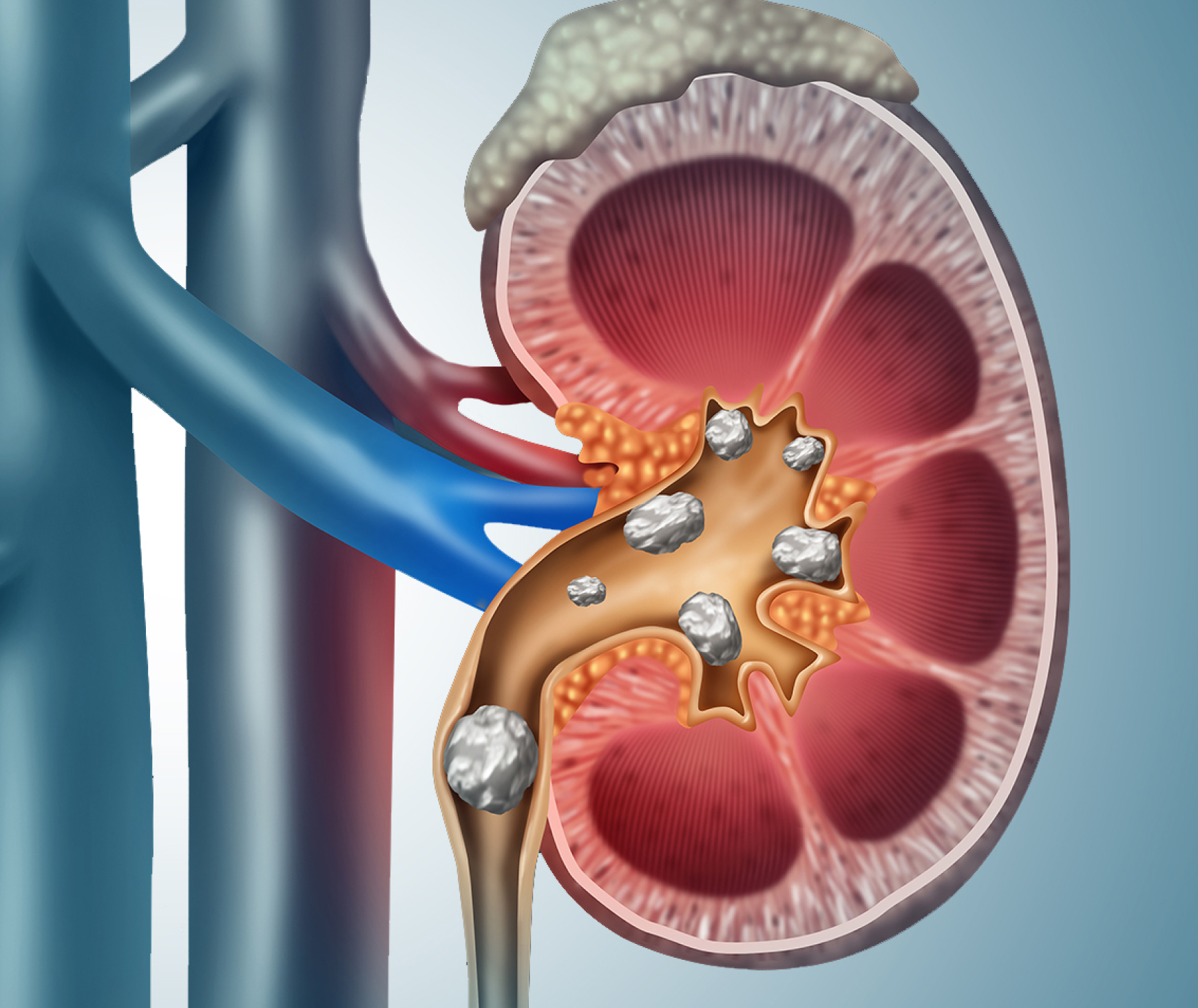
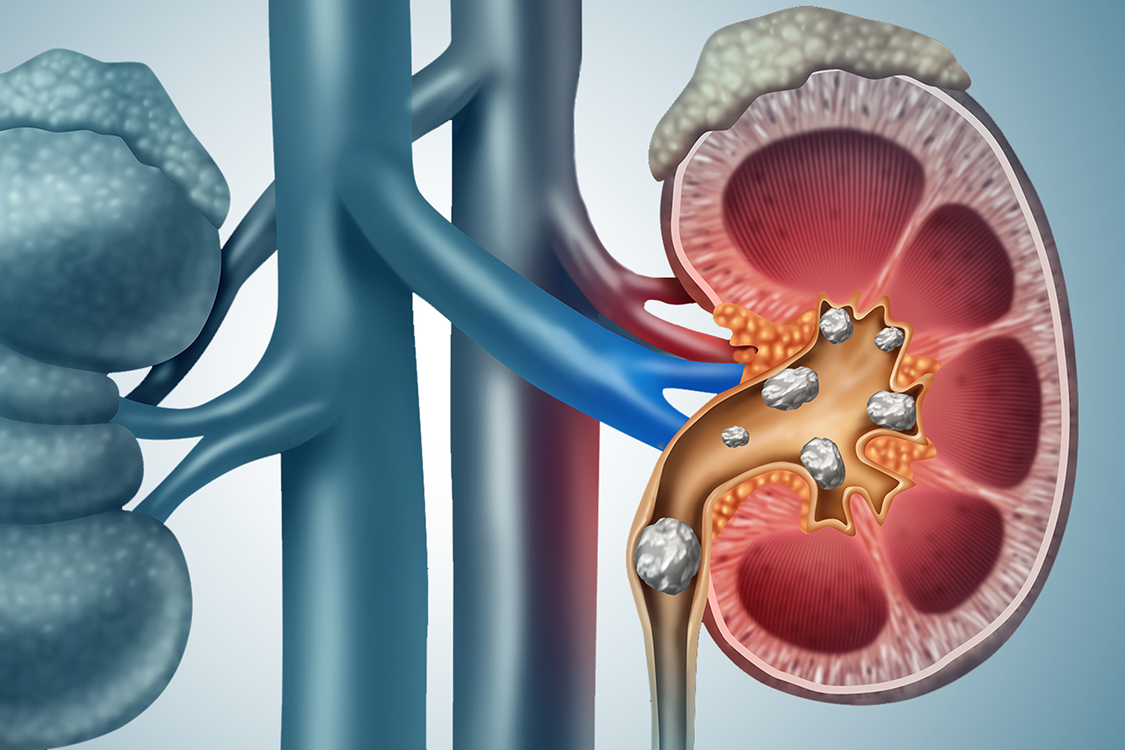
Kidney stones, also known as renal calculi or nephrolithiasis, are hard mineral deposits that are formed within the kidneys. The stones can be found free in the renal calyces or attached to the renal papillae.

On the other hand, ureteral stones refer to stones that are stuck in the ureters, which are tubes that transport urine from the kidneys to the bladder. Conversely, bladder stones refer to stones located in the bladder, often due to incomplete emptying of the bladder, amongst other causes.
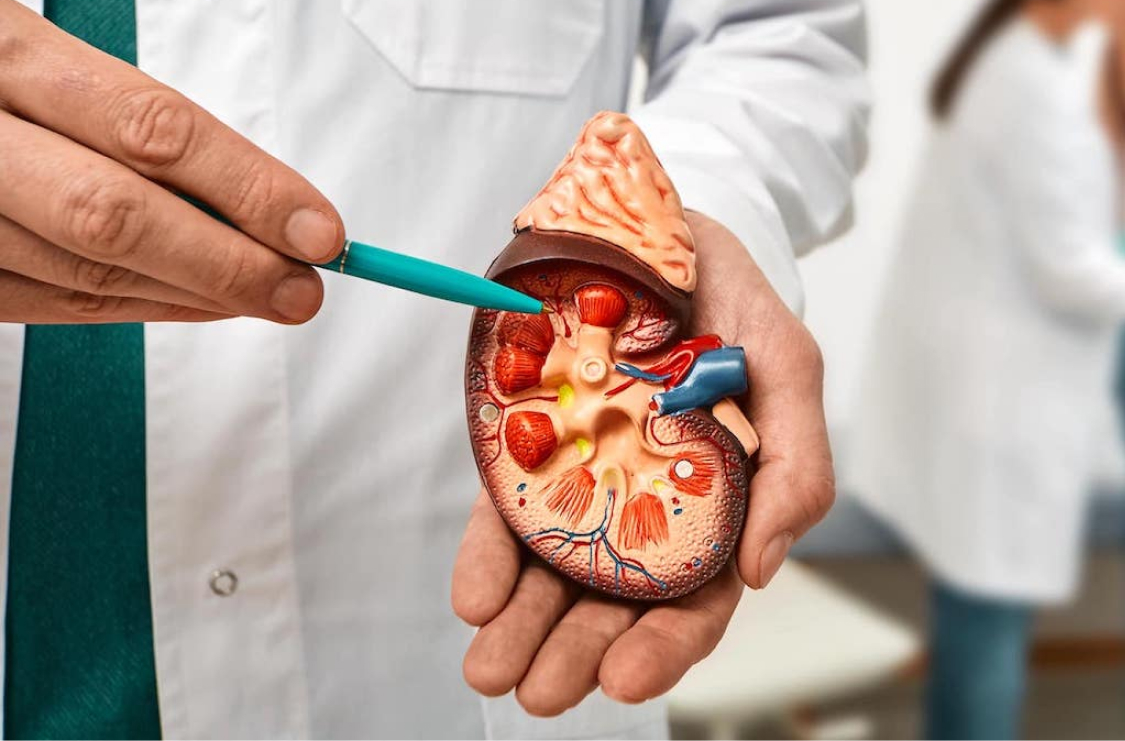
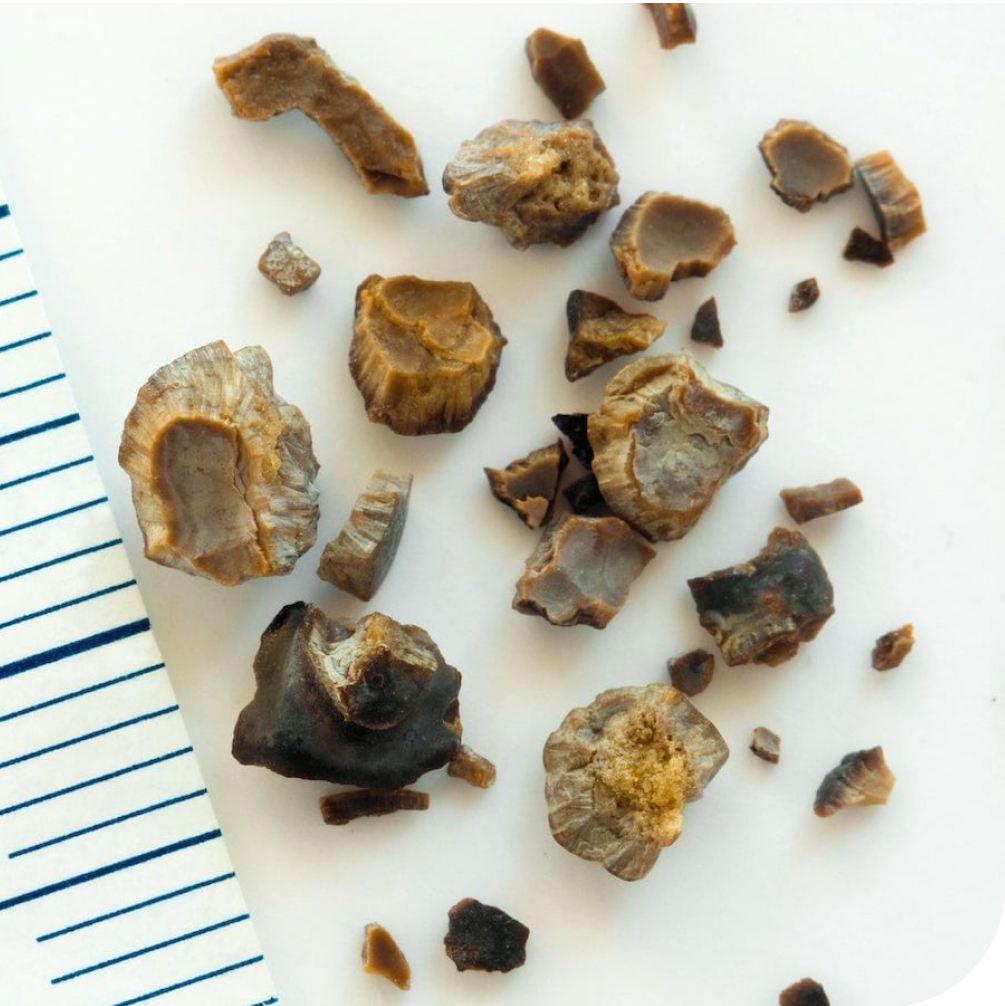
Image kidney stone 2

Why are Kidney Stones harmful?

The kidneys are important life-sustaining organs with various vital functions such as eliminating waste products from the blood, maintaining pH, salt, and water balance, and secretion of various hormones.

Kidney stones can block the excretion of urine, causing pain, infection, kidney damage, or even kidney failure. It has been shown that kidney stones can eventually lead to serious health complications, such as an increased risk of chronic kidney diseases and end-stage renal failure.

How are Kidney Stones diagnosed?

  • Plain Radiography

    This imaging test involves X-ray radiation. It is useful in documenting the location and size of radiopaque kidney stones. Stones that contain calcium are the easiest to detect by radiography, while pure uric acid stones are not detectable.

  • Urine Culture

    This lab test helps check for any bacteria in the urine and rules out any coexisting urinary tract infections.

  • Urinalysis

    A urine test which involves the examination of the physical and chemical composition of the urine. It gives useful information such as urine pH, the presence of microhematuria (blood in the urine that can only be seen under a microscope), and crystals.

  • Abdominal Ultrasonography

    This imaging test uses targeted ultrasound waves to examine the abdominal area. It is readily available and may pick up larger kidney stones or any swelling of the kidneys or kidney masses. However, it may not be very useful in detecting ureteral stones.

  • Intravenous Urogram

    This is a series of X-rays images taken after injecting intravenous contrast to visualise the bladder, kidneys, and ureters. It is useful in determining the size and location of the kidney stones, as well as to delineate the urinary tract for other abnormalities such as ureteric strictures or cancers. Stones not normally seen on plain radiography (e.g., uric acid stones) may present as a dark shadow in certain images.

  • Helical Computerised Tomography (CT)

    Non-contrast or Contrasted , this imaging test is fast and accurate. It is useful in detecting and identifying almost all stones (99.9%) in all locations. It can also identify the anatomy of the urinary tract and any other abnormalities, such as kidney cysts or cancers. Additionally, it helps to rule out or detect other non-urologic causes of abdominal pain.

Image kidney treated mob

How are Kidney Stones Treated?

Treatment of kidney stones is dependent on the number, size and location of the stones. The various treatment options include:

  • Expectant or Medical Expulsion Therapy (MET)
  • Oral Chemolysis
  • Ureteroscopy and Laser Lithotripsy
  • Retrograde Intrarenal Surgery and Laser Lithotripsy
  • Extracorporeal Shockwave Lithotripsy (ESWL)
  • Percutaneous Nephrolithotomy
  • Minimally invasive or open surgeries
  • Bladder stones

What happens to Kidney Stones if left untreated?

In many cases, the kidney and ureteral stones are small enough to pass through the bladder and out of the body in the urine. They are unlikely to cause problems without treatment.

However, the larger kidney and ureteral stones may get stuck while trying to get passed out from the body. When this happens, the stones can cause severe pain, and if left untreated, they can block the ureters. As a result, they can increase the risk of infection and other complications.

When should you go to the doctor?

If the pain is severe and is disrupting your daily routine, you should see a doctor. The following symptoms also prompt immediate visit to the urologist for diagnosis and treatment:

  • Vomiting
  • Fever
  • Chills
  • Blood In The Urine

Consult with Dr Tan to discuss your health concerns and learn what treatment is most appropriate for you.

drinfo

Dr Tan Teck Wei

MBBS (S’pore)

DFD (CAW)

MRCS (Edin)

MMed (Surgery)

FAMS (Urology)

A Senior Consultant Urologist in Singapore, Dr Tan Teck Wei specialises in the management of complex urological cancers involving the kidneys, prostate, and bladder.

He is fellowship-trained in open, laparoscopic and robotic surgery. He also specialises in the management of other urological conditions including:

  • Prostate Enlargement
  • Recurrent Urinary Tract Infections
  • Stones

To date, Dr Tan Teck Wei has been involved in more than 500 robot-assisted surgeries, building up his volume of cases from his fellowship training days and cementing his expertise in robotic surgery.

Dr Tan Teck Wei believes in the holistic management of his patients, and seeks to journey with them from diagnosis to cure.  Dr Tan is effectively bilingual in English and Mandarin, making him a popular choice with the young and old, as well as international patients.

Lorem ipsum dolor sit amet consectetur

Consectetur adipiscing elit, sed do eiusmod tempor incididunt ut labore et dolore magna aliqua. Ut enim ad minim veniam, quis nostrud exercitation ullamco laboris nisi ut aliquip ex ea commodo consequat. Duis aute irure dolor in reprehenderit in voluptate.

Get an Accurate Diagnosis & Proper Treatment for
Your Urinary Symptoms / Conditions

Billing & Insurance

Corporate & Personal Insurance Plans

For Singaporeans, Singapore Permanent Residents and Foreigners.
Please speak to our friendly clinic staff about using your insurance plans.

Make an Enquiry

For urgent or same day appointment requests, please call our hotline.

    ask us anything

    Frequently Asked Questions

    When should I see a doctor about lack of urine control?

    Lorem ipsum dolor sit amet, consectetur adipiscing elit, sed do eiusmod tempor incididunt ut labore et dolore magna aliqua. Ut enim ad minim veniam, quis nostrud

    When should I see a urologist or urogynecologist?

    An individual should seek the expertise of a trained urologist or urogynecologists when he or she is coping with or experiencing symptoms of a condition of the genitourinary tract, including, but not limited to:

    • Recurrent Urinary Tract Infections
    • Blood in urination
    • Poor bladder control
    • Difficulty Urinating
    • Suspicion of Kidney Stones
    • Erectile Dysfunction
    • Suspicion of Male Infertility
    How do I prepare for my first visit?

    Lorem ipsum dolor sit amet, consectetur adipiscing elit, sed do eiusmod tempor incididunt ut labore et dolore magna aliqua. Ut enim ad minim veniam, quis nostrud

    Can I use Medisave & Insurance to cover the cost of my treatments?

    Lorem ipsum dolor sit amet, consectetur adipiscing elit, sed do eiusmod tempor incididunt ut labore et dolore magna aliqua. Ut enim ad minim veniam, quis nostrud